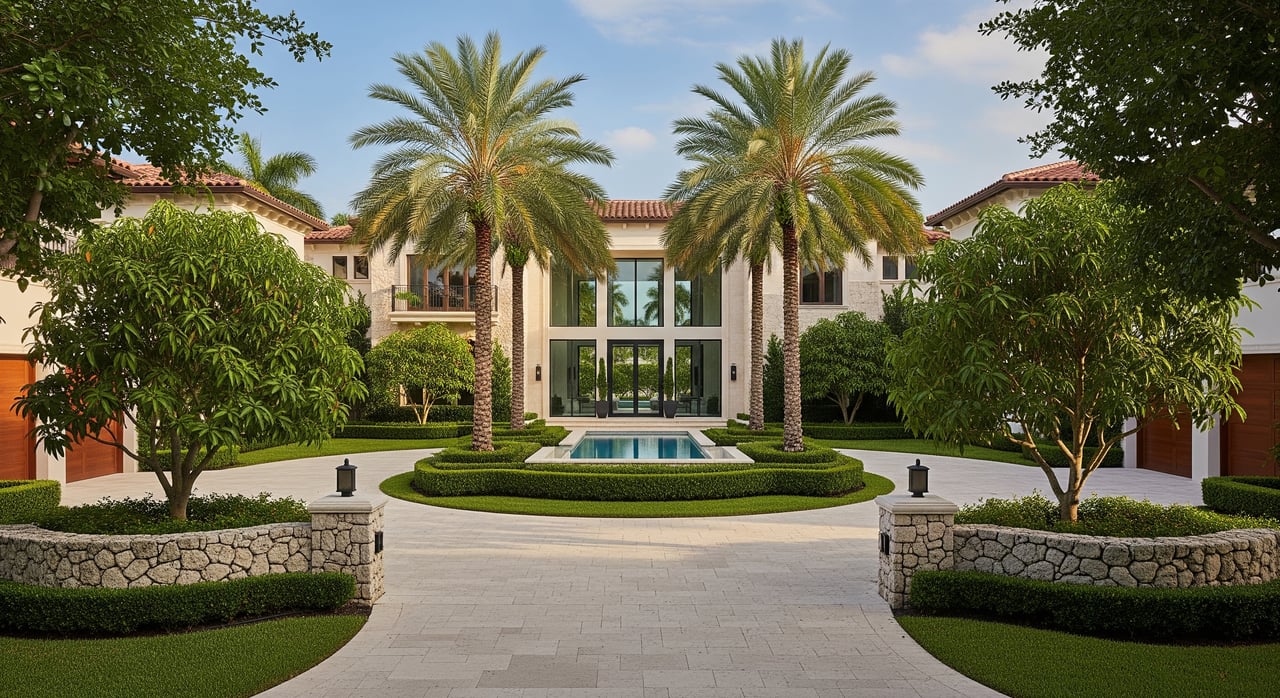
Are you worried about overpricing your Pinecrest home and scaring off the right buyers, or underpricing and leaving money on the table? You are not alone. Pricing in Pinecrest is different because lot size, pools, and condition can swing value more than a quick price per square foot. In this guide, you will get a simple, Pinecrest-specific method for choosing comps, making smart adjustments, and setting a confident list price. Let’s dive in.
Pinecrest pricing basics
Pinecrest is mostly single-family homes on larger lots compared with nearby areas. Buyers here often look for space, outdoor living, and privacy. Pools, mature landscaping, newer roofs, impact windows, and reliable A/C systems are common expectations.
Location still matters. Shorter drive times to Coral Gables and key employment areas can support a premium. Flood zones and insurance costs also affect demand. Verify your parcel details with the Miami-Dade County Property Appraiser and check flood status through the FEMA Flood Map Service Center as you shape your pricing.
Choose the right comparables
Follow this comp selection workflow to stay objective:
- Start with closed sales from the last 6 to 12 months. Use actives and pendings as context, not as primary comps.
- Keep it close. Begin within 0.25 to 1.0 mile. Pinecrest micro-neighborhoods and lot sizes change quickly block to block.
- Match property type. Use single-family detached homes only.
- Align size and layout. Target gross living area within plus or minus 10 to 20 percent and within one bedroom and one bathroom.
- Match lot size and shape. Pinecrest lot differences can dominate value, so weight this heavily.
- Align key features. Pool vs. no pool, age and condition, kitchen and bath updates, roof and impact windows, driveway and garage setup, and outdoor living.
- Use normal sales. Prioritize arms-length transactions and avoid distress or family transfers when possible.
Avoid common pitfalls
- Do not rely on countywide price per square foot. Lot size and pools distort simple averages here.
- Do not treat active listings as comps. A list price is not a verified sale.
- Do not ignore non-competing drivers like flood zone, road noise, easements, or proximity to major corridors.
Aim for 3 to 7 closed comps that meet your filters, then add 2 to 4 active or pending listings as market context.
Adjust for micro-neighborhoods
Pinecrest has subtle block-by-block differences. Look at tree canopy, curb appeal, and uniform setbacks. Note if a property sits near a busy corridor versus an interior street. Consider proximity to parks and schools. A quieter street or more scenic block can support a premium.
To measure these differences, compare sales on the same or adjacent blocks. If two similar homes sell at different prices, isolate what the street or micro-zone contributed. Document your rationale in your CMA notes so you can defend your pricing.
Price the lot correctly
Lot size and configuration can be the biggest driver in Pinecrest. Use a simple, repeatable approach:
- Pair similar homes that differ mainly in lot size.
- Calculate a dollar value per additional 1,000 square feet or per buildable acre, depending on local lot patterns.
- Favor usable area over raw acreage. Flat, accessible, and non-flooded space is what buyers value.
- Consider potential use. A regular rectangular lot often commands a premium over an odd shape that limits outdoor upgrades.
Confirm lot size and shape with the Miami-Dade County Property Appraiser. If zoning or subdivision potential may impact value, note that as a separate premium and seek verification through county records and permits.
Do pools add value?
In South Florida, pools often help buyer interest, but the actual uplift is not a fixed number. Use paired sales where two similar homes differ mainly by the presence of a pool. Normalize for age, condition, lot size, and updates. The condition and permitting of the pool matter. A well-maintained, permitted pool with clean coping and updated equipment supports value. A dated or poorly maintained pool can reduce buyer appeal or lead to credits.
Pools may not add value on small lots or for buyers who prioritize low maintenance. Present a dated pool honestly and consider a repair or resurfacing credit when it improves net proceeds.
Condition and updates that matter
Buyers in Pinecrest respond to homes that are move-in ready and resilient. Focus on these items:
- Roof condition and age, ideally with impact-rated options
- Impact windows and doors
- Newer HVAC systems with service records
- Updated electrical panel and safe wiring
- Modern kitchens and primary bathrooms
- Well-designed outdoor living with good landscaping and irrigation
Separate immediate repairs from cosmetic updates. Fix or credit major system issues like roof leaks or failing HVAC. For cosmetic items, use comps to estimate the discount buyers applied to similar condition, then price accordingly. A pre-listing inspection can reduce surprises and strengthen your pricing case.
Build your pricing file
Collect documents that prove value and reduce buyer doubt:
- Permits for major improvements
- Receipts and warranties for roof, A/C, impact windows, and pool equipment
- Recent inspection report if available
- Clear, dated photos of updates and maintenance
- Flood elevation certificate if applicable
- Parcel and lot data from the Miami-Dade County Property Appraiser
Your Pinecrest CMA session
A principal-led CMA and pricing strategy meeting should give you a complete plan. Here is what a strong session includes:
- Pre-meeting prep: Closed comps, active and pending listings, withdrawn and expired data, parcel and permit records, flood map context, and a price per square foot trend for your micro-area.
- On-site walk-through: Verify living area, bed and bath count, usable yard, pool and equipment condition, roof and A/C age, kitchen and bath finishes, and unique positives or negatives.
- Pricing agenda: Market snapshot, comp set review with adjustments, paired-sale examples for pool, lot, and condition, plus 2 to 3 list-price options.
- Options to consider:
- Aggressive price for faster contract and leaner negotiation.
- Balanced price for strong exposure and multiple-offer potential.
- Aspirational price for maximum testing with a longer runway.
- Deliverables: Full CMA, adjustment worksheet, net proceeds sheet, recommended pre-list repairs and staging, and a target list price with a range.
- Post-meeting actions: Professional photos and floor plan, pre-list or pool inspection if needed, contractor quotes for repairs, and review checkpoints after launch.
Quick comp checklist
Use this as a reference when you gather and score comps:
- Address and sale date
- Final sale price and days on market
- Lot size, shape, and usable area
- Gross living area, beds and baths
- Pool yes or no, and pool condition
- Year built and major updates
- Roof age, HVAC age, and impact windows
- Flood zone and elevation
- Photos and notes on street character, noise, and unique features
Ready to price with confidence?
If you want a pricing plan tailored to your block, your lot, and your home’s condition, schedule a principal-led CMA and strategy session. You will get clear comps, transparent adjustments, and a plan for repairs, marketing, and timing. Reach out to Adrian Gonzalez to get started.
FAQs
How close should Pinecrest comps be?
- Aim for the same block or within 0.25 to 1 mile, then adjust carefully for lot, condition, and micro-location if you expand farther.
Do pools always raise the price in Pinecrest?
- Often, but not always. Use paired sales to estimate the pool’s dollar impact and weigh condition, permitting, and lot usability.
How does lot size affect Pinecrest pricing?
- Lot size can be a primary driver. Compare similar homes with different lot sizes and calculate a per-1,000-square-foot or per-acre premium.
Should I fix everything before listing in Pinecrest?
- Prioritize major systems and safety items like roof and HVAC. Price around cosmetic updates using comps, or offer credits when they improve net proceeds.
How do flood zones and insurance affect Pinecrest prices?
- Flood zone and elevation influence insurance cost and buyer demand. Check status with the FEMA Flood Map Service Center and discuss insurance in your net sheet.