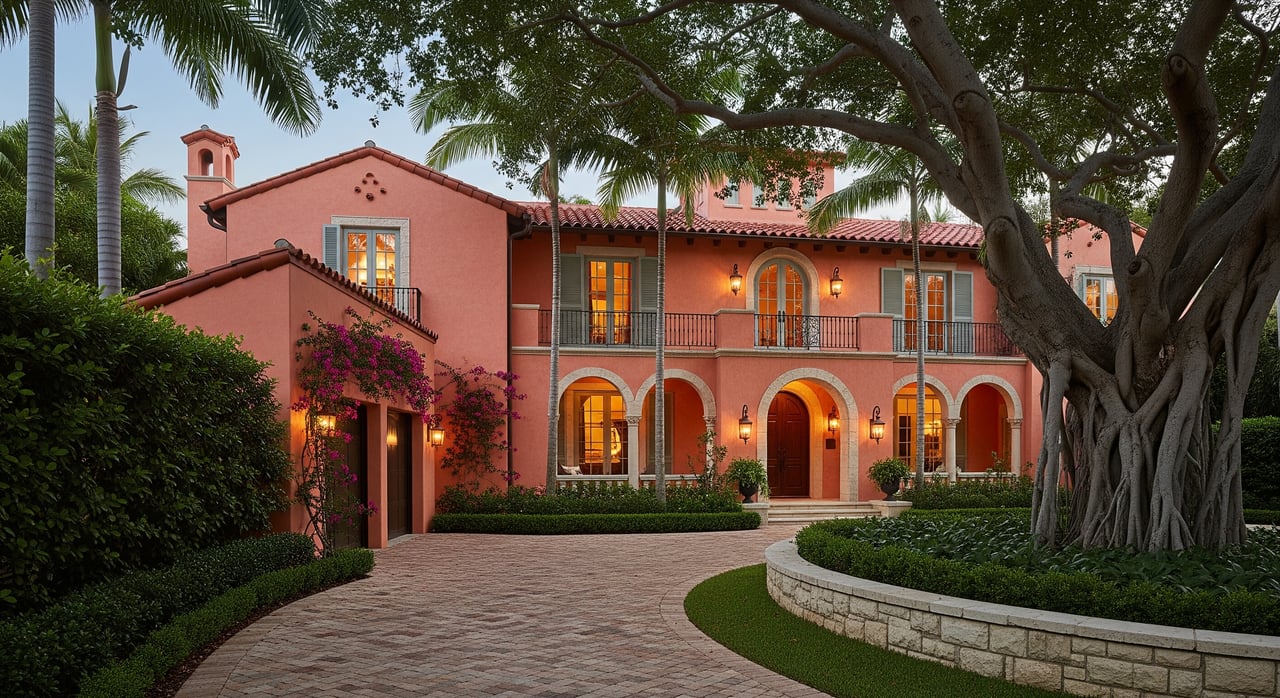
Thinking about restoring your Coral Gables historic home and worried about rising property taxes after the work is done? You may be able to reduce the extra tax burden tied to your upgrades. Coral Gables offers a local ad valorem tax abatement for qualified rehabilitation on designated historic properties.
In this guide, you’ll learn who qualifies, which improvements count, how the process works from start to finish, and what timelines to expect. You’ll also get practical tips to maximize savings while protecting your home’s character. Let’s dive in.
How the tax abatement works
An ad valorem tax abatement can reduce the increase in assessed value caused by approved historic rehabilitation. In Coral Gables, the City’s Historic Preservation Division and Historic Preservation Board review and certify eligible work. After certification, the Miami-Dade County Property Appraiser adjusts the assessment and the Miami-Dade County Tax Collector reflects the abatement on your tax bill.
Program rules and forms can change. Contact Coral Gables Historic Preservation staff early to confirm current steps and timelines.
Who qualifies
To be considered, your property and project generally need to meet these conditions:
- The property is a locally designated Historic Landmark or within a locally designated Historic District in Coral Gables.
- Property taxes are current and the owner is in good standing.
- The work is reviewed and approved through the City’s historic preservation process, usually by securing a Certificate of Appropriateness.
- Improvements meet the program’s definitions of rehabilitation or restoration and are completed on the eligible structure or site.
Exact eligibility for owner-occupied, rented, condo, or multi-family properties depends on local code. Confirm details with the City.
What improvements qualify
Projects that follow the Secretary of the Interior’s Standards for Rehabilitation are more likely to be approved. Typical eligible work includes:
- Exterior restoration and in-kind replacement of character-defining features, including roofs when historically compatible, stucco or masonry repair, decorative trim, and window restoration or in-kind replacement.
- Structural stabilization and major repairs that preserve historic fabric, such as foundation or framing work tied to historic features.
- Systems upgrades installed sensitively to retain historic character, including HVAC, electrical, and plumbing.
- Accessibility and safety improvements needed for occupancy, such as fire protection or accessibility features that avoid irreversible harm.
- Historically appropriate porch or entry restoration, masonry repointing, and compatible finishes.
Common exclusions include routine maintenance or cosmetic painting that is not part of an approved rehabilitation plan, incompatible additions or new construction, and non-historic detached structures or unrelated landscaping.
Step-by-step application
Follow this sequence to protect eligibility and keep your project on track:
- Confirm historic designation status
- Verify your property is a local Historic Landmark or inside a local Historic District. If not, ask the City about the designation process.
- Schedule a pre-application meeting
- Meet with Coral Gables Historic Preservation staff to review your goals, eligibility, and required documentation.
- Develop the scope and design
- Hire an architect or contractor experienced in historic rehabilitation. Prepare drawings, materials, and methods that meet preservation standards.
- Apply for a Certificate of Appropriateness
- Submit plans, materials samples, and explanations showing how the work meets the Standards. Board hearings may be needed.
- Obtain building permits
- Apply to the Coral Gables Building Department once the Certificate of Appropriateness is issued.
- Complete the work as approved
- Build under approved permits and conditions. Keep detailed documentation throughout construction.
- Compile final documentation
- Gather your Certificate of Appropriateness, permits and final inspections, invoices and proof of payment, before and after photos, and an itemized cost breakdown linked to qualifying scopes.
- Submit the tax abatement application to the City
- The City certifies eligible work and forwards certification to the Miami-Dade County Property Appraiser.
- County processing
- The Property Appraiser adjusts the assessment and the Tax Collector reflects the abatement on the tax roll.
- Follow up
- If you disagree with the assessment or abatement application, ask about appeal options. Confirm whether any ongoing reporting is required.
Timelines to expect
- Historic designation, if needed: several months, depending on application completeness and hearing schedules.
- Certificate of Appropriateness review: often 4 to 12 weeks, faster for minor items.
- Permits and inspections: weeks to months based on complexity.
- Construction: varies by scope. Complex restorations can take many months.
- Abatement processing: after final certification, City and County adjustments may take months or one or more tax cycles. Ask the City whether the benefit applies retroactively to the year of completion or only after certification.
Start your preservation and abatement conversation early, ideally before final design or irreversible work.
Your documentation checklist
Keep these items organized from day one:
- Proof of local historic designation.
- Certificate of Appropriateness and any conditions.
- Building permits and final inspection certificates.
- Detailed, line-item contractor invoices tied to eligible scopes.
- Proofs of payment such as cancelled checks or paid invoices.
- Dated before and after photos, plus progress photos.
- Product data sheets and material samples for replacement items.
How the savings show up
In general, the abatement can reduce the increase in assessed value that comes from approved improvements for a set period defined by local ordinance. The County applies the adjustment after City certification. The base assessment remains, and the reduction usually applies only to the qualifying increase.
If you sell during the abatement term, local rules may allow the abatement to transfer or require adjustments. Confirm current policy with the City and County.
Strategies to maximize value
- Prioritize high-impact eligible work. Focus on roofing, structural stabilization, window restoration, and major masonry or stucco repairs.
- Use in-kind or historically compatible materials where it matters most. This improves approval odds and long-term value.
- Consider phasing. If allowed, complete and certify phases to start the benefit sooner.
- Get multiple estimates from experienced historic contractors. Skilled teams can limit surprises and support approvals with proper methods.
- Explore other financing. Some grants or low-interest loans may be available at the state or local level. If your project is income producing, separate federal historic rehabilitation credits may apply.
Common pitfalls to avoid
- Starting work before approvals. Unapproved changes can be denied and may trigger enforcement.
- Treating routine maintenance as rehabilitation. It may not qualify unless part of an approved plan.
- Incompatible additions. New work that conflicts with historic character is often ineligible.
- Missing paperwork. Lack of photos, line-item invoices, or final inspections can delay or reduce your benefit.
- Waiting too long to apply. Ask if retroactive application is possible and what deadlines apply.
Is the abatement right for you?
The abatement does not produce a cash refund. It helps offset higher property taxes that can result from approved improvements. That means the biggest benefits often come from substantial, character-preserving work. Compare the added cost of historically appropriate materials with likely tax relief and resale value. For many owners, certified work also improves marketability when it comes time to sell.
Local support when you need it
If you are planning upgrades, align your project plan with preservation standards, build your documentation file from day one, and talk with the City’s Historic Preservation staff early. If you are weighing a future sale or purchase, The Firm A Real Estate Brokerage can help you understand market demand, position a certified restoration, and connect you with local resources.
Ready to explore your options or plan a sale after upgrades? Request Your Free Home Valuation with The Firm A Real Estate Brokerage.
FAQs
What is the Coral Gables ad valorem tax abatement?
- It is a local program that can reduce the increase in assessed value tied to approved rehabilitation on designated historic properties, after certification by the City and processing by Miami-Dade County.
Do I need local historic designation to qualify?
- Yes, in most cases you need to be a locally designated Historic Landmark or inside a local Historic District in Coral Gables. Confirm status with the City.
What kinds of improvements usually qualify?
- Work that preserves historic character, such as in-kind exterior restoration, structural stabilization, sensitive systems upgrades, and code-required safety or accessibility improvements.
Can I start work before getting approvals?
- It is risky. Doing unapproved work can jeopardize eligibility. Secure your Certificate of Appropriateness and permits first.
How long does it take to see the tax benefit?
- After final certification, City and County processing can take months or more than one tax cycle. Ask if your benefit can apply to the year of completion or only going forward.
Will the abatement transfer if I sell the property?
- Local rules may allow transfer or require adjustments. Check current policies with the City and the Miami-Dade County Property Appraiser.