Ever picture yourself under a lush tree canopy, strolling past Mediterranean-style homes to grab coffee on Miracle Mile? If Coral Gables is on your radar, you’re not alone. Many people are drawn to its classic architecture, walkable downtown, and easy access to Miami’s job centers and airport. In this guide, you’ll learn how daily life works here, what types of homes you’ll find, and the key logistics you should know before you make a move. Let’s dive in.
Coral Gables at a glance
Planned city with historic style
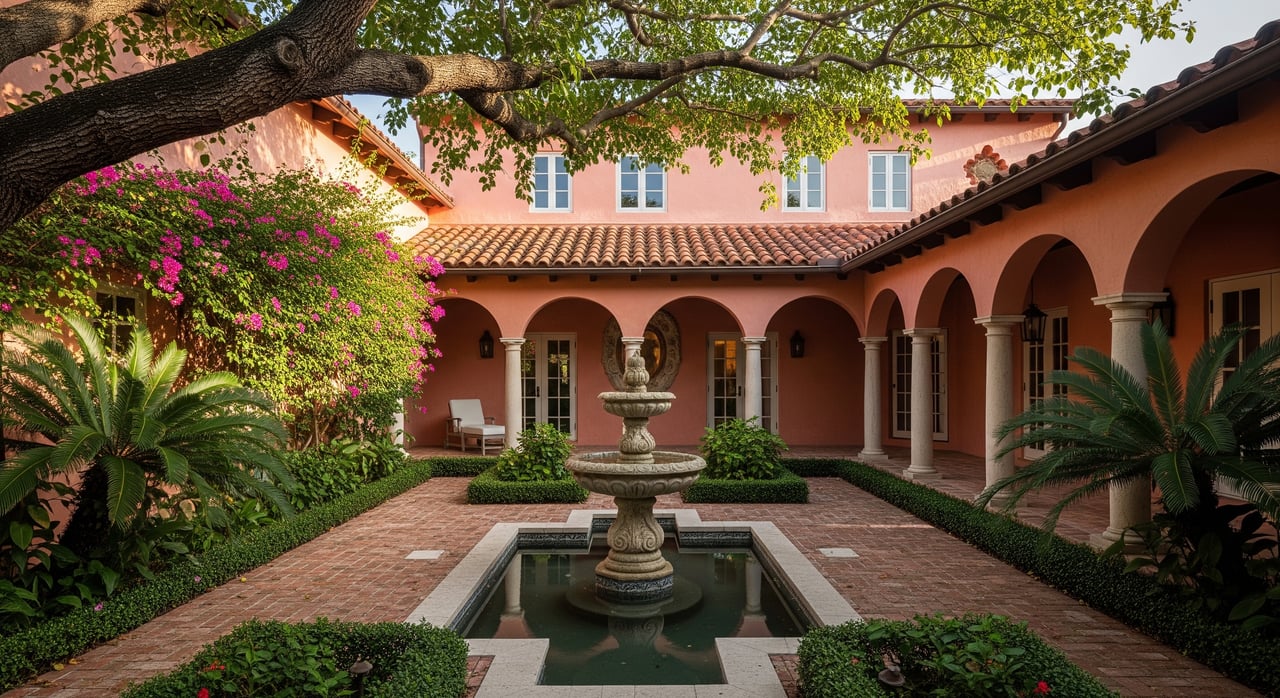
Coral Gables was developed in the 1920s with a strong planning vision that still shows today. You’ll see Mediterranean Revival façades, coral rock details, and formal streetscapes that give the city a cohesive look and feel. Many neighborhoods feature mature landscaping and canopy trees that help define the streets.
The city is incorporated and manages its own planning, zoning and historic-preservation programs. In designated historic districts, exterior changes often require review, which helps keep the character consistent from block to block.
Anchors that shape daily life
Several institutions give Coral Gables its pulse. The University of Miami sits within city limits and brings cultural events, sports, and research and medical employment. The historic Biltmore Hotel and golf course support a resort-style leisure scene. Fairchild Tropical Botanic Garden and the Venetian Pool add unique outdoor destinations that locals use on weekends and visitors seek out year-round.
Neighborhoods and housing
Downtown and Miracle Mile
Downtown revolves around Miracle Mile and nearby streets with shops, cafes, and restaurants. You’ll find mid-rise condos and apartments over retail and along main corridors, with offices and services that make daily errands simple. Sidewalk dining, evening foot traffic, and periodic street events make this area feel lively without being overwhelming.
Historic districts and Old Gables
Old Coral Gables showcases the city’s architectural legacy. Expect single-family homes in Mediterranean Revival and other revival styles on tree-lined streets with consistent setbacks and landscaping. The city’s preservation programs keep exteriors cohesive, which is a major reason many residents value living here.
Waterfront enclaves
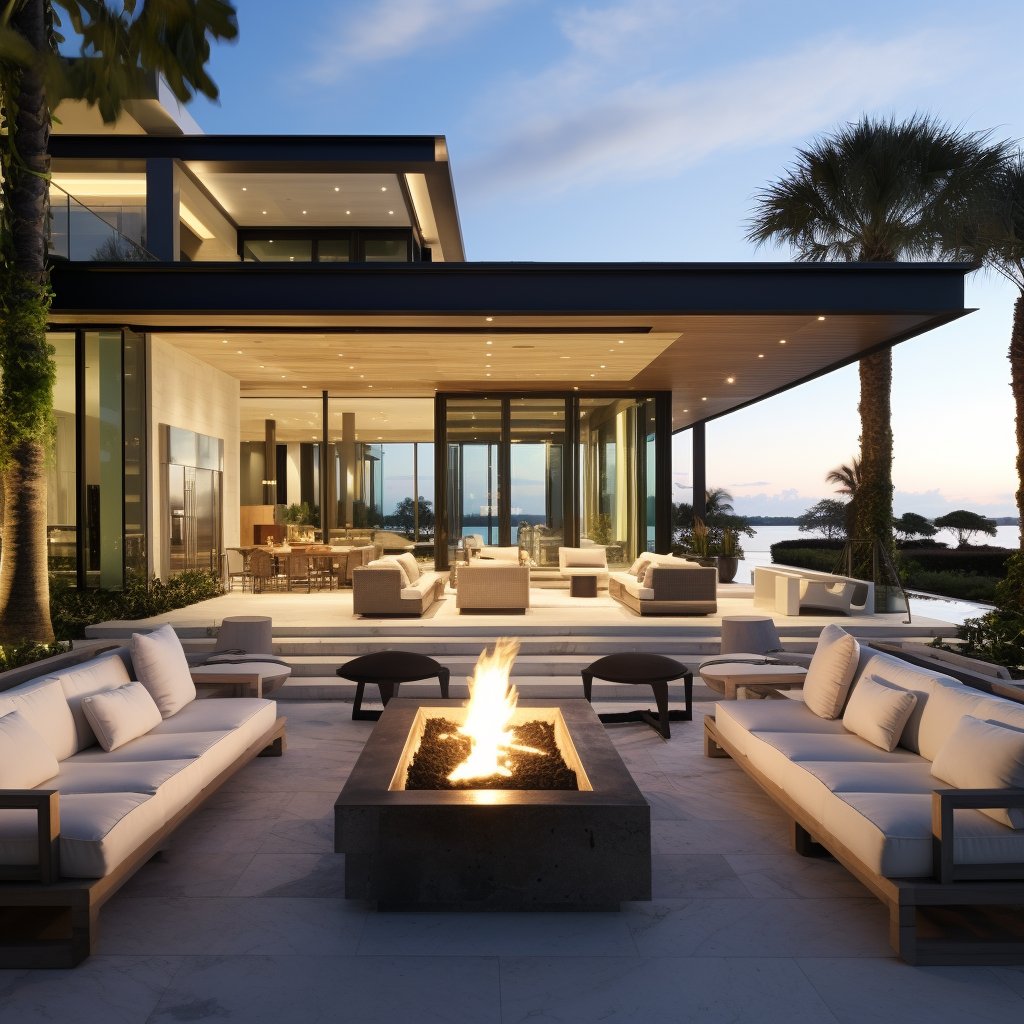
Waterfront neighborhoods, including exclusive pockets like Gables Estates, offer large lots and luxury single-family properties. Many homes here have private docks and extensive outdoor living spaces. These areas are low density and designed for privacy and access to the water.
Near the University of Miami
Areas close to the university have a mix of rentals, smaller single-family homes, condos, and townhomes. You’ll see a higher presence of students, faculty, and staff in the rental market, and a steady base of year-round residents who value the convenience of being near campus amenities.
South and West Gables
The southern and western edges of the city near Bird Road include a more mixed-use feel with galleries and mid-century homes alongside newer infill. This blend gives you more variety in housing styles while still benefiting from the city’s overall design standards.
What home types you’ll find
- Single-family homes are the dominant option, from historic cottages to updated estates.
- Condos and townhomes cluster near downtown, along key corridors, and by the university.
- Newer renovations and carefully reviewed infill appear throughout, especially outside the most restrictive historic pockets.
If you want historic charm, mature trees, and a walkable core, Coral Gables delivers. If you prefer ultra-low-price options or very high-density urban towers, nearby Miami neighborhoods may offer more of what you need.
Daily life and amenities
Shopping and dining
Miracle Mile anchors retail and dining with a mix of national and local boutiques, coffee shops, and independent restaurants. The cuisine is diverse, including Latin, Mediterranean, contemporary American, and seafood. You’ll also find destination shopping at nearby centers like Merrick Park.
Parks and the outdoors
The Venetian Pool is a historic public pool carved from coral rock that becomes a summer favorite. Fairchild Tropical Botanic Garden hosts plant collections, seasonal events, and family-friendly programming. Matheson Hammock Park and other green spaces add coastal views, trails, picnic spots, and space to relax.
Culture and events
The Coral Gables Museum, university programming, and local theaters bring a steady calendar of exhibits, talks, and performances. Evening life blends family-friendly activities with a downtown restaurant and bar scene that stays active without the intensity of South Beach.
Schools and learning
Coral Gables is served by Miami-Dade County Public Schools, with several elementary and middle schools in or near the city. You will also find private and parochial options nearby. The University of Miami adds lectures, concerts, and athletic events open to the community. For current school boundaries and performance information, review official Miami-Dade and state resources before you decide on a location.
Getting around
Driving and access
Location is a major advantage here. U.S. 1 runs nearby, and I-95 is a short drive depending on where you live in the city. You’re within practical reach of Brickell, downtown Miami, and Miami International Airport, though travel time varies by time of day and route.
Transit and trolley
Miami-Dade Transit serves Coral Gables with Metrobus routes, and the Metrorail line has nearby stations such as Douglas Road and University that connect to downtown and the airport through transfer points. The city also runs a trolley-style circulator downtown that makes short trips for errands easier.
Walkability and biking
Downtown Coral Gables and Miracle Mile are quite walkable with pedestrian-friendly blocks and frequent crosswalks. Residential areas range from moderately walkable to car-oriented. Bike infrastructure is emerging in key corridors, so bike-friendliness varies by street.
Costs and market signals
Pricing and inventory overview
Coral Gables is one of the premium markets in Miami-Dade. Single-family homes often command higher prices and property taxes than many nearby areas, especially historic properties and waterfront estates. Inventory for larger and historic single-family homes tends to be tight, with steady demand tied to the city’s location, schools, and proximity to the university. Seasonal patterns shape activity, with winter months often drawing more out-of-area buyers.
Condos vs single-family tradeoffs
- Single-family homes provide space, privacy, and architectural character, but usually at a higher price point. Maintenance and insurance costs can also be higher.
- Condos and townhomes offer a more attainable entry to Coral Gables, often with amenities and lower exterior maintenance, but with association rules and dues to factor in.
If you are early in your search, it helps to decide whether you want to prioritize outdoor space and character or convenience and lower maintenance. That choice will guide which neighborhoods and buildings you focus on first.
Climate, risk and insurance
Hurricanes, flooding and elevation
South Florida’s climate risks apply here. Tropical storms and hurricanes are part of life, and properties closer to the water can face higher potential exposure. Elevation varies by block, so flood risk is not uniform. It is important to review official flood maps and local resources to understand your property’s exposure and whether flood insurance is advisable or required by a lender.
Building codes and retrofits
Newer construction follows the Florida Building Code with hurricane-resistant standards. Many homeowners retrofit older homes with impact-rated windows, upgraded roofing, and reinforced garage doors. If you are buying a historic home, factor in the cost and permitting timeline for upgrades that improve wind resistance while respecting preservation requirements.
Practical checklist for risk and insurance:
- Confirm wind and flood insurance needs with your insurer and lender.
- Review FEMA flood zone information and local elevation data.
- Ask for permits and receipts for impact windows, roof age, and any structural retrofits.
- Understand hurricane deductibles and how they affect out-of-pocket costs.
Preservation, permits and HOAs
Historic review basics
In city-designated historic districts, exterior changes often require approval through the historic preservation process. This includes additions, material changes, window replacements, and sometimes landscape elements. Plan timelines accordingly, especially if you are buying with a renovation strategy.
Tips for smooth approvals:
- Check whether the property sits in a historic district before making an offer.
- Consult city guidance on permitted exterior changes and required materials.
- Build time into your schedule for board review and permitting.
- If selling, confirm completed work had proper permits and approvals.
HOA and condo due diligence
Many condos and gated communities have associations that manage maintenance, landscaping, gates, amenities, and reserves. Dues vary and can change over time.
What to review before you buy:
- Budgets, reserves, and recent assessments.
- Rules on leasing, pets, renovations, and short-term use.
- Property condition reports and planned projects.
- Insurance coverage at the association level and how it pairs with your policy.
Is Coral Gables a fit?
Coral Gables offers a rare blend of elegance, order, and convenience. You get a walkable downtown, a strong sense of place, and easy access to Miami’s major districts and airport. In exchange, you accept a premium price point, active design standards, and a market where desirable single-family inventory can be limited. For many buyers, that tradeoff feels right once they walk beneath the tree canopy and explore Miracle Mile.
If you are weighing your options or want help matching neighborhoods to your lifestyle, reach out. Prefer Spanish? También hablamos español. For tailored guidance and on-the-ground support, connect with Adrian Gonzalez.
FAQs
What makes Coral Gables different from other Miami areas?
- A cohesive Mediterranean Revival look, mature tree canopy, a walkable downtown, and strong preservation standards set it apart while keeping access to Miami’s core nearby.
Where are condos concentrated in Coral Gables?
- Condos and townhomes cluster near downtown and along major corridors, plus in areas around the University of Miami.
How car-dependent is daily life in Coral Gables?
- Downtown is walkable for errands and dining, but many residential areas are more suburban, so most residents use cars for regional commutes.
What are typical climate and insurance considerations?
- Plan for hurricane season, confirm flood exposure by location, and review wind and flood insurance needs along with any impact-window or roof upgrades.
How do historic rules affect renovations?
- In designated historic districts, exterior changes generally need approvals that add time and specific material requirements, so factor that into your budget and timeline.
When is the market most active for buyers and sellers?
- Activity often rises during the winter months when out-of-area demand increases, though the best time to buy or sell also depends on your property type and goals.