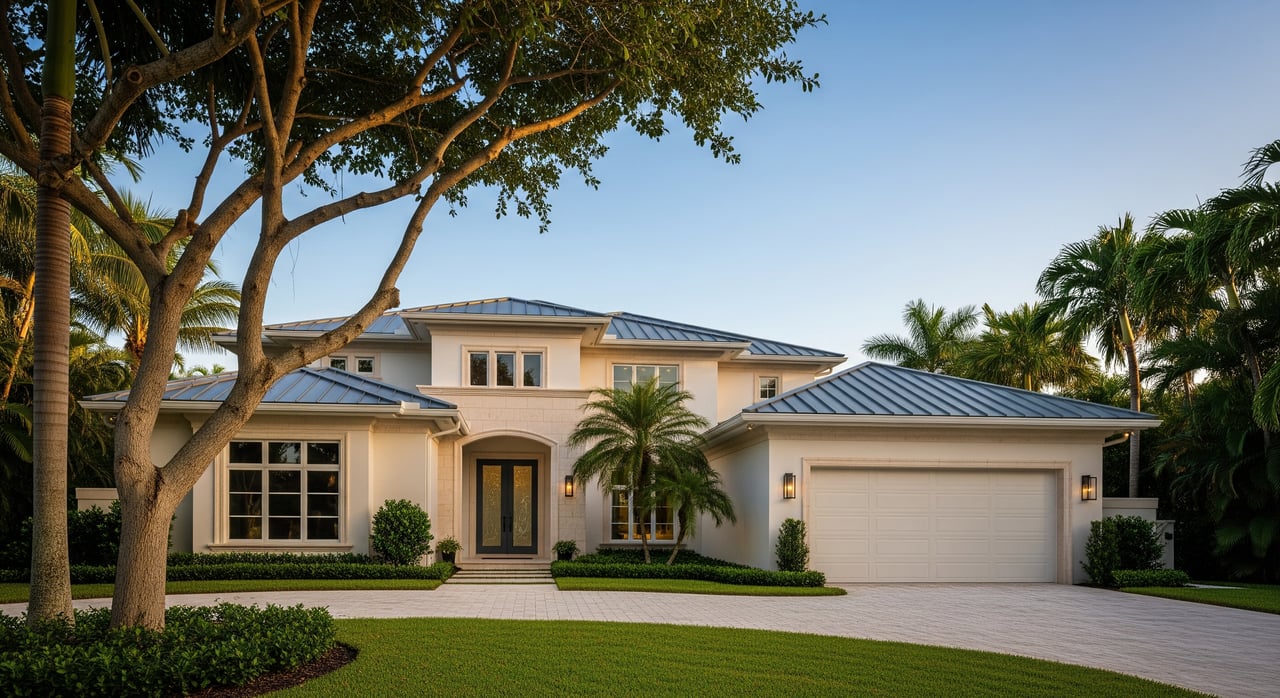
Buying a home in Pinecrest means planning for sunshine, schools, and your monthly costs. One of the biggest variables is homeowners insurance, and in Miami‑Dade, wind coverage plays a major role. A wind mitigation inspection can help you understand a home’s resilience and may unlock valuable premium credits. In this guide, you’ll learn what inspectors look for, how the process works, and how to prepare so you can budget with confidence. Let’s dive in.
What is a wind mitigation inspection?
A wind mitigation inspection documents the features of a home that reduce wind and hurricane damage. Inspectors typically complete Florida’s standard OIR-B1-1802 form, which many insurers use to apply potential discounts. The goal is simple: verify wind‑resistant features so the insurer can price risk accurately.
Most Florida carriers, including Citizens, recognize this form. Credits vary by insurer and by which features the home has. You should confirm with your intended carrier that they accept the inspector’s report and photos.
- Learn about the process from the Florida Office of Insurance Regulation.
- See mitigation discount guidance at Citizens Property Insurance.
Why it matters in Pinecrest
Pinecrest sits in Miami‑Dade County, one of the highest wind‑exposure areas in the U.S. Local building codes reflect this reality, and insurers price policies accordingly. That is why documenting wind‑resistant features can meaningfully affect your premium.
Many Pinecrest homes have characteristics that influence inspection results:
- Tile roofs are common. The underlayment and roof deck attachment matter as much as the tiles themselves.
- Roof shapes vary. Hip roofs often fare better than gables for mitigation credits.
- Ages and renovations differ. Homes re‑roofed to post‑2002 Florida Building Code standards may qualify for stronger credits if documentation is available.
- Impact protection is prevalent. After major storms, many owners installed impact windows or shutters, which can qualify for opening protection credits.
- Large trees are common. While landscaping is not part of the credit form, inspectors may note risk factors and maintenance needs.
What inspectors evaluate
Inspectors follow a standard checklist to complete the OIR-B1-1802 form. Here are the core items and why they matter.
Roof covering and age
They identify the roof material, condition, and age, and may request permits or invoices for replacement. Some coverings perform better in high winds, and newer roofs can be viewed more favorably by insurers.
Roof deck attachment
They verify how the roof sheathing is fastened to rafters or trusses, such as ring‑shank nails versus staples and the spacing pattern. Stronger attachment helps prevent deck blow‑off during hurricanes.
Roof‑to‑wall connections
Inspectors look for metal clips or hurricane straps that tie the roof structure to the walls. These connectors significantly reduce uplift damage.
Roof shape and geometry
They classify the roof as hip or gable and note how many planes and transitions it has. Hip roofs generally perform better in high wind conditions, while complex, multi‑plane roofs can introduce more vulnerable points.
Secondary water resistance (SWR)
They check for a self‑adhering membrane or taped underlayment beneath the roof covering. SWR helps reduce interior water intrusion if shingles or tiles are lost.
Opening protection
They verify impact‑rated windows and doors or approved shutters. Properly protecting openings helps prevent internal pressurization and major structural damage.
Gable end bracing and structural details
If gable ends exist, inspectors note whether they are braced. They also document structural features relevant to wind performance.
Attic access and photo documentation
Inspectors typically access the attic to confirm connectors and nailing patterns and provide photos to support their findings. Expect a thorough photo set with your completed report.
Pinecrest buyer prep checklist
A little preparation helps your inspection go smoothly and supports the strongest possible documentation.
Gather documents
- Roof replacement permits, invoices, or warranties for the current roof
- Building permits for structural changes, if available
- Any prior wind mitigation reports
- Clear photos, if you have them, showing connectors or attic details
Prepare the property
- Ensure safe, clear attic access so the inspector can view framing and straps
- Move items that block attic openings, eaves, or window areas
- Notify the inspector in advance if the roof is tile; viewing deck attachment may require special handling
- Secure pets and plan to be present to provide access
Know the logistics
- Time on site usually ranges from 30 to 90 minutes, depending on size and complexity
- Fees vary by provider, so confirm price and deliverables up front
- You should receive the completed OIR form and supporting photos
- Insurers may ask for additional documentation, so keep permits and invoices handy
Choosing a local wind mitigation inspector
Several licensed professionals in Florida can perform wind mitigation inspections, including licensed home inspectors, certain contractors, and engineers. Always verify licensure and ask about experience with the OIR-B1-1802 form.
Questions to ask before you hire:
- Are you licensed in Florida and experienced with the OIR-B1-1802 form? May I have your license number?
- Will you access the attic to document roof‑to‑wall connections and deck nailing?
- Will you provide the completed insurer‑ready form with photos?
- Do you carry professional liability insurance?
- If needed, do you provide recommendations for wind‑resistant upgrades?
Helpful resources:
- Verify licensure at the Florida Department of Business and Professional Regulation (DBPR).
- Review best practices from InterNACHI and ASHI.
If features do not qualify
If your inspection shows missing or non‑qualifying features, you have options. Common upgrades include installing hurricane straps or clips, adding a secondary water barrier during re‑roofing, strengthening gable ends, or upgrading to impact windows or rated shutters. These improvements usually require permits and a licensed contractor.
Before you proceed, check permitting with Miami‑Dade County’s building department and confirm code requirements under the Florida Building Code. After upgrades, insurers often accept updated documentation and may adjust credits accordingly. Compare contractor quotes with projected premium savings to estimate payback time.
- Explore local permitting at Miami‑Dade County Building.
- Learn about statewide code standards in the Florida Building Code.
Timing, cost, and how credits work
- When to order: Buyers often order wind mitigation during the inspection period to estimate insurance costs before final negotiations.
- Who orders: Either party can order it, but buyers usually benefit from having their own report during due diligence.
- Turnaround: Most inspections are completed on site in under 90 minutes, with reports delivered shortly after.
- Cost: Pricing varies by home size and provider. Confirm if photos and the insurer‑ready form are included.
- Credits: Most carriers accept the OIR-B1-1802, but credit schedules and documentation needs vary. Citizens provides public guidance on how mitigation features can affect premiums. Always confirm acceptance with your chosen carrier.
Smart tips for Pinecrest buyers
- Ask the seller for roof permits, invoices, and any prior mitigation reports early.
- If the roof is tile, confirm how and when it was installed and whether documentation exists for underlayment and deck attachment.
- Check the roof’s permit date to understand which Florida Building Code edition may apply.
- Verify whether doors, windows, and garage doors are impact‑rated or have approved shutters, and look for labels or documentation.
- Plan for maintenance. Large trees and aging soffits or overhangs can increase vulnerability in storms.
Ready to make a confident offer?
Understanding wind mitigation helps you budget smarter and negotiate with clarity. If you want local guidance on inspections, insurance expectations, and how to position your offer, let’s talk. Reach out to Adrian Gonzalez at The Firm A Real Estate Brokerage for hands‑on Pinecrest expertise and buyer concierge support.
FAQs
What is Florida’s OIR-B1-1802 wind mitigation form?
- It is the standard inspection form used in Florida to document wind‑resistant features for insurance, recognized by many carriers and guided by the Florida Office of Insurance Regulation.
How do wind mitigation credits work with Citizens Insurance?
- Citizens publishes guidance on mitigation discounts and typically accepts the OIR‑B1‑1802 form with photos, but exact credits depend on the verified features of your home.
How does a tile roof in Pinecrest affect the inspection?
- Tile provides longevity, but insurers focus on underlayment and roof deck attachment, so expect the inspector to verify materials, permits, and in some cases attic details.
Do I need impact windows to qualify for opening protection credits?
- You can qualify with either impact‑rated windows and doors or approved shutters, provided the inspector verifies ratings and coverage for all required openings.
How long does a wind mitigation inspection take and what do I receive?
- Most take 30–90 minutes, and you should receive a completed insurer‑ready OIR‑B1‑1802 form with photo documentation of key findings.
How do I verify a wind mitigation inspector’s license in Florida?
- Search the Florida DBPR database and confirm the inspector’s license number, relevant experience, and insurance before scheduling.
Florida Office of Insurance Regulation | Citizens Property Insurance | Florida DBPR | Florida Building Code | Miami‑Dade County Building | InterNACHI | ASHI